
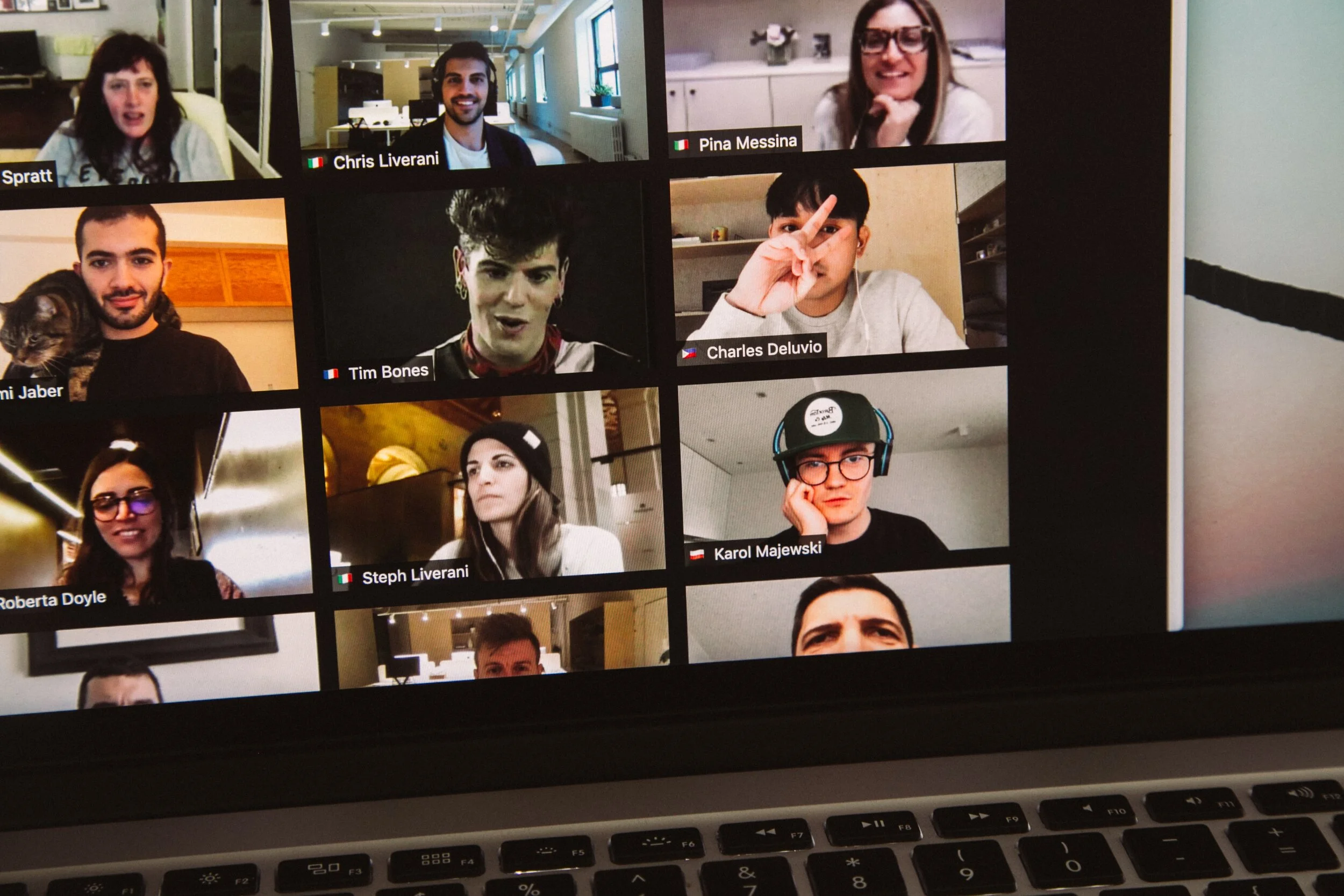
Navigating the “New Normal” Part 3: Building Culture in A Virtual World
As we all get into the rhythm of working remotely, how are you building or maintaining the workplace culture you want?
As leaders, we all recognize the importance of our organization’s culture. Having a strong, positive culture means better performance and increased job satisfaction. But culture building in a remote work environment can be a challenge, and it doesn’t happen by accident.
When your teams aren’t meeting in-person, and nothing is business as usual, how do you build and promote the culture you want?
When it comes to remote workplace culture, there are three things to consider implementing now:
Create and define your mission, vision, and values.
Especially in a virtual workplace, it is easy for undefined or poorly articulated core principles to get lost. Ensure your mission, vision, and values are clearly defined in a way that truly reflects who you are, where you’re headed, and how you operate. As a leader, it’s your job to make sure everyone on your team is on the same page, and that means spelling out for them how they can contribute to a cohesive culture. To that end, the best mission, vision, and values statements can help define expectations and provide guideposts for virtual teams in a way that no amount of training and operating procedures can replace. In short, if you haven’t revisited your strategic direction in a while, it’s worth it to invest some time in this now!
Create a virtual gathering place.
In the “real world”, organic communication happens frequently between coworkers. They see each other in the lunch room, or pop by each others’ offices for little touch points throughout the day. They’re built in, so no one has to think about it! These little moments of connection might seem like a small thing, but they’re an important element in building significance and team bonds. In a virtual setting, these natural connection points need to have a bit more intention behind them. Create a virtual way for team members to connect regularly. This can be as simple as a designated slack channel, or a weekly standing video conference happy hour date for the whole team. Send out weekly touch base polls to vote on non work-related topics, to get people chuckling and chatting virtually about something other than KPIs (Think voting on favourite superheroes, best breakfast pastry, etc.).
Double up on recognition.
Especially in a remote environment, it is easy for employee recognition to fall off the agenda. But with team members geographically dispersed, it’s even more important to prioritize. Consider implementing a weekly fun award with a different category each week, where employees nominate people to be recipients of prestigious awards such as “Most Creative Video Conference Location”. Hit an important project milestone? Bring the celebration to team members by sending baked goods or other treats to their houses. The most important thing to remember is consistency: build reminders to recognize staff into your calendar so it happens regularly!
As we all get into the rhythm of working remotely, how are you building or maintaining the culture you want? We would love to hear your ideas and share some more of ours, so reach out to connect!

Navigating the “New Normal”: 5 Tech Tools and Tips
Happy home-working! Though we’re no tech geniuses, we’re happy to share what we have learned, and we’re here to provide advice, resources, or a lifeline as we all navigate this new remote work landscape, together while apart.
As workforces around the world settle in to the rhythm of working remotely, the million dollar question for many of us these days is “What tools do I need to do this well?”. Particularly for teams working from home for the first time, the sheer number of tools, applications, and software available to choose from can be overwhelming. Trying all of them out and selecting the best ones can turn into a full-time job on its own!
This is why we’ve put together a quick list of our top 5 tried-and-tested tech solutions, along with what they’re best used for. So you can get back to doing whatever you best, which probably doesn’t involve test-trialling video conferencing software.
1. For informal communication: Slack (free plan available) – Well known before working from home was the global norm, Slack is a chat platform for teams and individuals. It’s great as a way to informally keep team members connected, and channels can be set up for almost any topic, including #projectname or #random or #puppies or #covidsurvivaltips… you get the picture. In short, it’s excellent when used as a quick way to touch base or ask a question.
2. For video conferencing: Zoom – We know, we know. Zoom’s security has been in the news a lot over the past two weeks as they navigate unanticipated growth. But, frankly, security lapses are a potential concern for most video conferencing tools, so unless you’re discussing highly confidential topics, the risks are probably low (And here’s what Zoom is doing to address the risks). And it’s popular for a reason – it remains the most user friendly tool we’ve come across. That said, if you’re dealing with private information or are worried about security and privacy, check out Google Hangouts or Microsoft Teams as an alternative to Zoom.
3. For project management and collaboration: Trello (free plan available) – Looking for a simple project management/ collaboration tool to keep everyone on track and moving in the same direction? We’ve found Trello is intuitive even for the least tech-savvy user, organizing projects into “boards” and “lists”. It’s easy to set up and easy to use, and there are straightforward time-saving templates you can tweak for most purposes.
4. For coordinating schedules: Calendly (free plan available) – This app is designed to integrate with your calendar and help eliminate back and forth when setting up meetings. It integrates with Zoom and other video conferencing applications as well, to make things even more straightforward.
5. For writing and grammar support: Grammarly (free plan available) – Written communication skills have become even more important over the last couple of months. For many of us, this isn’t necessarily our biggest area of strength, which is where an editing app comes in. You’ll save time and make sure everything communication is error-free (or close to it).
Happy home-working! Though we’re no tech geniuses, we’re happy to share what we have learned, and we’re here to provide advice, resources, or a lifeline as we all navigate this new remote work landscape, together while apart.
Next week in Part 3 of our Navigating the New Normal series, we’ll be sharing our thoughts on Culture Building for Remote Teams - because physical separation doesn’t have to mean a culture breakdown!
Navigating the “New Normal”: Working from Home Effectively
Shifting from being in a physical workplace to working remotely is a big change and challenge in itself. And once you add in the stress and overwhelm of global circumstances, it isn’t a surprise that many of us are noticing a drop-off in productivity and morale.
It isn’t a secret that remote work is the new normal these days for most organizations. But if you feel like you or your team members aren’t getting up to speed as quickly as you’d like while working from home, you’re not alone! Shifting from being in a physical workplace to working remotely is a big change and challenge in itself. And once you add in the stress and overwhelm of global circumstances, it isn’t a surprise that many of us are noticing a drop-off in productivity and morale.
That doesn’t mean that you should admit defeat and decide it’s inevitable that we’re all going to sit at home in pajamas all day for the next while, accomplishing the bare minimum of meaningful output. There are some basic strategies that can help us all make the best of the next few months.
Going back to Management 101, before we expect ourselves and our teams to be fired up, engaged, and productive in the middle of a global crisis, there are essential needs that must be met. Take a cue from Maslow’s Hierarchy of Needs and consider those basic elements first! While it might take some time investment up-front, it is definitely time well spent.
For part one of our three-part series on Navigating the New Normal, we’ve put together a list of our favourite “back to the basics” strategies: time-tested tools and tips for newly remote workers.
1. Focus on nutrition. Ensuring our bodies are fueled properly can have a huge impact on happiness and productivity. Try testing out new, healthy recipes and create a virtual forum to share them with colleagues (this can be as simple as a Google Doc!)
2. Comfort matters. Making sure we have the work space and the tools in place to work as comfortably as possible from home is essential to effective virtual work. Make your workstation somewhere you want to spend time by ensuring it’s physically comfortable, ergonomically sound, and reasonably quiet.
3. Prioritize self-care. It might seem like a cliché at this point, but it’s a cliché for a reason. Put on your own oxygen mask first, and focus on your own wellbeing. If you’re a leader, demonstrating solid self-care serves double duty, by giving your team members implicit permission to do the same. Prioritize self-care activities by placing them front and centre on the “official” to-do list.
4. Reduce stress. Incorporate stress reduction and mindfulness techniques throughout the day. This doesn’t need to be complicated - it can be as simple as setting calendar reminders throughout the day to do a few stretches, listen to a mood-boosting song, or breathe deeply.
5. Connect. Reach out regularly to team members to connect. Especially in these days of physical distancing, our sense of belonging is compromised, and that can spill over into our connections with colleagues. But with all the technology available to us, we are fortunate to have many ways to interact with each other, and this is a great time to put some of those tools to the test. Get into the habit of checking in every morning with coworkers with a genuine “How are you doing?”
Stay tuned for Part 2 in our series on Navigating the New Normal, which will dive into the tools, tech, and training to support a successful remote work relationship.
Leading a team? With everything changing, now is the time to pivot. To do differently. To take the steps needed to shift to a digital and remote landscape. And, as always, throughout these changes, we’re here to provide advice, resources, or a lifeline.

Reimagine Work Food For Thought - Leading a Remote Team For The First Time
Especially if working from home is new for you and your team, the learning curve is daunting. While remote work can be a challenge, there are some strategies you can implement early to make the new arrangement work for everyone.
There’s been a huge amount of global uncertainty over the last couple of months, as COVID-19 is the topic of conversation in every industry. For many organizations, it has meant re-evaluating how we conduct business, including our flexible work policies. For businesses that are lucky enough to be able to continue operations primarily remotely, this has meant transitioning from an in-office team environment to remote collaboration.
Especially if working from home is new for you and your team, the learning curve is daunting. While remote work can be a challenge, there are some strategies you can implement early to make the new arrangement work for everyone.
Wellbeing matters.
While "focusing on wellbeing" might not be on the top of your list for getting employees motivated and productive as they work remotely, it needs to be. Change is hard for most of us at the best of times, but throw in feelings of isolation, disruptions of social connection opportunities, economic uncertainty, and transitioning to working from home goes from run-of-the-mill stressful to through-the-roof challenging. Before you focus on performance and productivity, focus on employee wellbeing. Check in with how they're doing on an emotional level, ensure they feel reassured and supported, and provide resources they can reach out to if they're struggling (think your EAP if you have one, or free resources if you don't).
Give them the tools.
Most organizations have not had a huge amount of time to prepare for the current necessity of working from home, but that doesn’t mean leaving employees to fend for themselves. Make sure your team is equipped to be comfortable and productive while working from home by:
Implementing easy-to-use remote collaboration tools to keep people in contact and to track projects and tasks (Monday, Trello, Asana, and Slack are popular tools that are relatively simple to implement and will help keep folks in the loop).
Ensuring staff have what they need to work from home successfully: ask about their office space, and provide loaner desk chairs, monitors, keyboards, and any ergonomic options that they would have available to them in the office. Nothing is more frustrating and distracting than not having the necessary physical tools to complete their work comfortably.
Overcommunicate.
Especially for teams that are used to the relative simplicity of quick check-ins throughout the day when working together in person, it can feel awkward to transition to other communication methods. Ensure teams stay connected and expectations are clear by building in more touch points than usual throughout the day. Establish the convention of greeting each team member in the morning, and saying goodbye at the end of the day, just as you would in a regular office. Remember that working from home can feel isolating. Work in time in your own agenda to send a few unscheduled messages throughout the day, asking if team members need any assistance or just to see how they’re doing.
Provide flexibility.
Staff members may not just be working from home. They might also be contending with big distractions that wouldn't normally be part of their work day. Children home from school or daycare, or family members or spouses that wouldn’t typically be around might be encroaching on productivity during the typical 9-5 schedule. Be flexible with hours, and demonstrate understanding for the exceptional circumstances we are all navigating, it's a simple thing you can do to reduce stress and boost morale.
Reimagine Work has supported many other virtual employees, and can help you make sure your team stays healthy (in body and mind) and able to work from home effectively over the coming weeks and months. So, if you need support getting your newly-remote team members up to speed, we can help you with that!

What's in a Name? Only Everything
Long before there was Reimagine Work, I was on the look out for a name. A name to describe who I wanted to be in my world of work and how I wanted to serve others. I wanted to work with people who wanted to find meaning in their work, serve leaders who wanted to build companies where people did more than just survived – they worked happy. I considered calling my business “Work Happy” because I wanted people to spend their days in work that made them feel good. I also bought the domain “Brave Work” because I wanted to support people willing to pursue meaning in the work they did even if that meant leaving the job they were currently in. Both were close to the mark but not exactly right.
And then one day after I had decided to leave my full-time job, I had a very heated argument with my husband who very much wanted me to have a plan that I didn’t have. My response to his question “What are you going to do?” was: “Reimagine work.”
Reimagine Work! Yes, for myself and for others. And just like that, I had it. If not the plan, at least I had the name that represented all the ways I wanted to work with people. I Googled it, the domain was available and the idea began to form. I reimagined a world where people are supported to feel good about what they do, where they feel appreciated and properly compensated, where status doesn’t rule work systems and people can be heard, valued and seen regardless of title. A space where the precious time spent away from our loved ones – pets, children, hobbies, art – had meaning. And so Work Happy/Brave Work led to Reimagine Work – and reimagining work is where you and I meet to shape a world where work can serve you in the way it is meant to.
And so for the past almost two years since my husband posed what became the game-changing question, I have had the privilege and joy of working with people who want to work happier, braver and who are willing to reimagine the space that work occupies. I have witnessed and supported transformative change in workplaces around Victoria and the Island as companies, businesses and individuals decide to risk working happier over harder, collaboratively over competitively, and balanced over busybusybusy.
Thank you to every client who signed on with me in the past 2 years, who put their trust in a process that is so different than the status quo and Reimagined Work. I wish you all a 2020 filled with more of your good work.

What Have You Done for your Employee Handbook Lately?
We spend countless hours generating documents to support us with working better, or more efficiently, as a team and then we promptly forget about them. We forget to update them, we forget to use them and eventually we forget why we made them in the first place.
We spend countless hours generating documents to support us with working better, or more efficiently, as a team and then we promptly forget about them. We forget to update them, we forget to use them and eventually we forget why we made them in the first place.
Employee handbooks are a classic example of a key document that ends up collecting ‘digital dust’ yet is vital to every workplace. If you want your employee handbook to function as a real living document here are 7 simple tips to bring your handbook to life:
1. Clarify what you want from your handbook: do you actually want an employee handbook or an operations manual? These two documents are often get confused for one other. Handbooks are designed to introduce your staff to the organization and the company’s culture, including your key expectations of staff. They are not intended to outline every rule, policy or guideline the organization has.
2. Use your handbook to introduce your Culture and the history of your company – where you are now, how you came to be and where you want to go. Let the introduction to the manual make your team feel excited about, and grounded in, the company’s vision and values.
3. Be Common: using language common to your organization makes your handbook accessible. This means avoiding ‘HR speak’ (yes, this is a thing). Your handbook will be most effective if you use language that reflects your work culture. For example, many tech companies use very informal, colloquial and work-specific language in their every day.
4. Get Clear: employee handbooks should address the five w’s - who/what/when/where/why and how. This means it needs to be clear and accessible and describe things that are relevant to the employee about the organization. This is your opportunity to set the tone of your dialogues with employees. You want your employees to read this document and use it so that you can rely on it to hold them accountable.
5. Communicate with your staff by reviewing your handbook in person. This eases the onboarding process and informs a conversation about your culture and its expectations.
6. Stay Current by keeping your manual updated and ensure all employees know when there are changes to the handbook. Offer your in-person availability on request to review any changes or answer questions and make sure they sign-off on understanding the changes.
7. Handbooks are your opportunity to be Creative. A handbook can be quirky – make it original! Don’t pull other companies’ items off the Internet and stick them in a manual or include policies and procedures that your company doesn't adhere to. Remember, if you don’t use it you lose it - its really tricky to hold staff to a standard you don’t embody or enforce. All content in your handbook should be well thought out and really explain the expectations for everyone and the parameters for their workplace.
Here is an example of a handbook I love: Valve Handbook.
See, it really can be fun!